
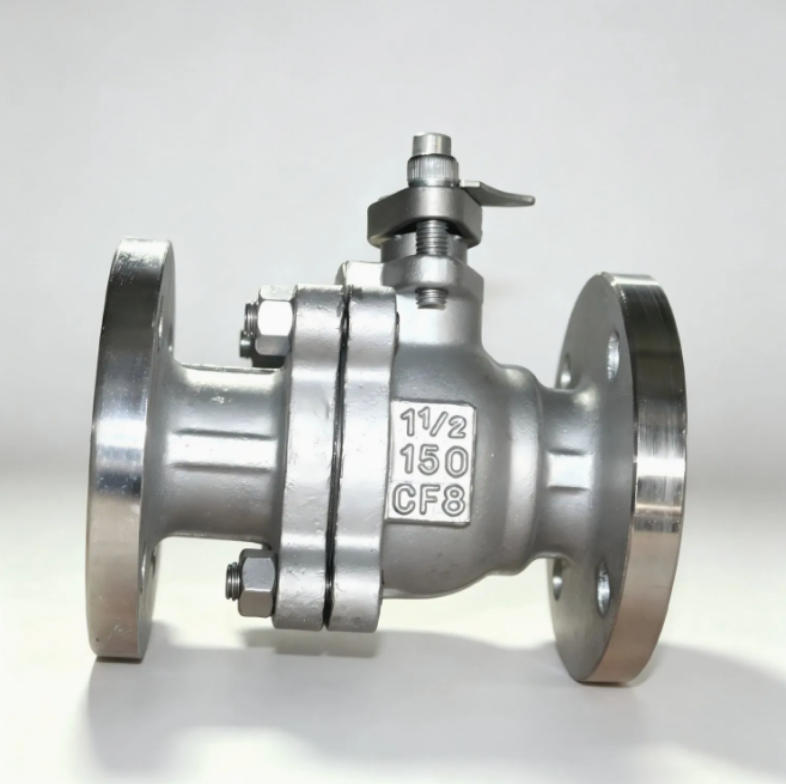
How to Select a Ball Valve for Gas Applications
Ball valves are widely used in gas pipeline systems for shut-off, isolation, and flow control. However, selecting the right ball valve requires more than choosing the correct pipe size.
Pressure rating, body material, seat material, connection type, actuator method, operating conditions, and applicable standards should all be considered before confirming a valve configuration.
1. Confirm the Application Medium
The first step is to identify the medium flowing through the pipeline.
Typical applications may include:
- Natural gas
- LPG
- Air
- Water
- Oil
- Compatible industrial media
Different media may require different body materials, sealing materials, and valve configurations.
For gas applications, material compatibility and sealing performance should be confirmed according to the actual working conditions.
2. Determine the Required Valve Size
The valve size should normally match the pipeline size and system design requirements.
Common ball valve sizes may range from small threaded connections to larger flanged pipeline valves.
When selecting the valve size, consider:
- Pipeline diameter
- Flow requirements
- Installation space
- Connection standard
- System configuration
Selecting the correct nominal size helps ensure proper installation and reliable operation.
3. Check the Pressure Rating
Pressure rating is one of the most important factors when selecting a ball valve.
Common pressure ratings may include:
- PN16
- PN25
- PN40
- Class 150
- Class 300
The selected valve pressure class should meet or exceed the design requirements of the pipeline system.
Operating pressure, temperature, medium, and material configuration should also be considered together.
4. Select the Body Material
Ball valve body materials vary depending on the application and working environment.
Common options include:
- WCB carbon steel
- CF8 stainless steel
- CF8M stainless steel
- CF3M stainless steel
Carbon steel is commonly used for general industrial pipeline applications, while stainless steel may be selected where corrosion resistance or specific process conditions are required.
Final material selection should be based on medium compatibility, pressure, temperature, and project requirements.
5. Choose the Seat Material
The seat material directly affects sealing performance and operating conditions.
Common options include:
- PTFE
- RPTFE
PTFE provides good sealing performance for many general applications, while reinforced PTFE may offer improved mechanical performance under certain operating conditions.
Temperature, pressure, medium, and operating frequency should be considered when selecting the seat material.
6. Select the Connection Type
Ball valves are available with different connection methods.
Common connection types include:
- Flanged
- Threaded
- Welded
Flanged ball valves are widely used in industrial pipeline systems because they are convenient for installation, inspection, and maintenance.
Threaded valves are generally used for smaller pipeline sizes, while welded valves may be selected where a permanent and compact pipeline connection is required.
7. Choose the Operation Method
Ball valves can be operated manually or automatically.
Common operation methods include:
- Manual handle
- Gearbox
- Pneumatic actuator
- Electric actuator
Manual operation is suitable for simple shut-off applications.
Pneumatic and electric actuators are commonly used when remote control, automation, or system integration is required.
The actuator should be selected according to valve torque, control requirements, power supply, and operating environment.
8. Consider Applicable Standards
Applicable standards should be confirmed according to the project specification and target market.
Common standards may include:
- API 608
- ISO 17292
- API 598
- ISO 5208
- ASME B16.5
- EN 1092-1
Standards may cover valve design, dimensions, flange connections, inspection, testing, and performance requirements.
The final standard should always be confirmed according to the project specification.
9. Consider the Application Environment
The same ball valve may not be suitable for every gas application.
Before confirming the valve, also consider:
- Indoor or outdoor installation
- Ambient temperature
- Pipeline temperature
- Installation position
- Corrosion conditions
- Required service life
- Maintenance accessibility
- Automation requirements
For special operating conditions, the valve configuration should be reviewed together with the project requirements.
Ball Valve Selection Checklist
Before placing an inquiry or confirming a valve, prepare the following information:
- Medium
- Nominal size
- Operating pressure
- Design pressure
- Operating temperature
- Body material
- Seat material
- Connection type
- Operation method
- Applicable standard
- Quantity
- Special project requirements
Providing this information helps reduce unnecessary back-and-forth and makes product selection more efficient.
Need Help Selecting a Ball Valve?
ZeMin Gas provides ball valves and technical support for commercial and industrial gas applications.
If you are selecting a valve for a new pipeline or gas system project, provide your medium, size, pressure, connection type, and operating requirements. Our team can help confirm a suitable valve configuration.